Why the Sweetest Traps Are the Deadliest
The flies in this fable don't stumble into danger by accident. They rush toward it. The honey smells irresistible, and they dive in without a moment's …
Understanding The Flies And The Honey
Why the Sweetest Traps Are the Deadliest
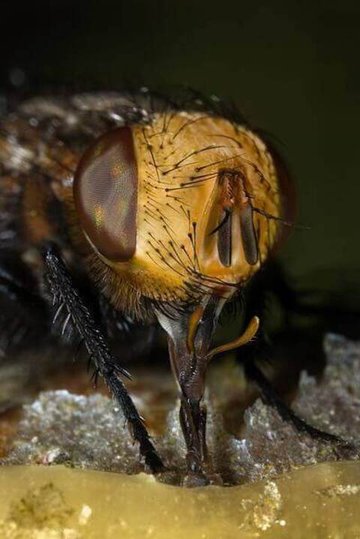
The flies in this fable don't stumble into danger by accident. They rush toward it. The honey smells irresistible, and they dive in without a moment's hesitation — "they did not wait for an invitation." Aesop is careful to emphasize that the flies chose their fate. Nobody forced them to land. Nobody tricked them. The trap was obvious, and they walked into it with their eyes wide open, driven by nothing more than appetite.
What makes this fable psychologically sharp is how it captures the mechanics of self-destruction through pleasure. The honey doesn't just attract the flies — it immobilizes them gradually. First their feet stick. Then their wings. By the time they realize they're trapped, escape is impossible. This is exactly how destructive indulgences work in real life: the consequences don't arrive all at once. They accumulate, one small compromise at a time, until the person is too deep in to pull free.
Notice that the honey itself isn't evil. It's just honey — sweet, natural, appealing. Aesop's point isn't that pleasure is bad. The moral is about proportion: the flies trade their entire lives for "a little taste of sweetness." The reward is tiny and temporary; the cost is total and permanent. This same miscalculation appears throughout human behavior, from financial recklessness to addictive habits, anywhere people sacrifice something enormous for something fleeting.
The fable also works as a quiet commentary on self-awareness. In some versions, the dying flies cry out, "O foolish creatures that we are!" — recognizing their mistake only when it's too late. Wisdom that arrives after the consequences is no wisdom at all. Aesop suggests that the time to exercise judgment is before you land in the honey, not after your wings are stuck. The fable's genius is its simplicity: we all know what the flies should have done, yet we recognize ourselves in their behavior anyway.
Find this helpful? Create a free account to bookmark stories and save explanations for quick reference.
Sign Up FreeAlready have an account? Log in