The Courage That Costs Nothing but Changes Everything
At just three sentences, this is one of Aesop's shortest fables — and one of his sharpest. A boy brushes against a nettle, gets stung, …
Understanding The Boy And The Nettle
The Courage That Costs Nothing but Changes Everything
At just three sentences, this is one of Aesop's shortest fables — and one of his sharpest. A boy brushes against a nettle, gets stung, and runs home in tears. His mother delivers the lesson in a single line: grip it firmly next time and it won't hurt you. Story over. But the brevity is the point. The moral doesn't need a long setup because the experience is universal.
Everyone has a nettle. It might be a difficult conversation you keep postponing, a skill you dabble in without committing to, or a problem you poke at gently hoping it will resolve itself. Half-measures invite the sting. The boy didn't get hurt because the nettle was dangerous — he got hurt because his approach was timid. The fable insists that the obstacle itself is often less formidable than our hesitation in facing it.
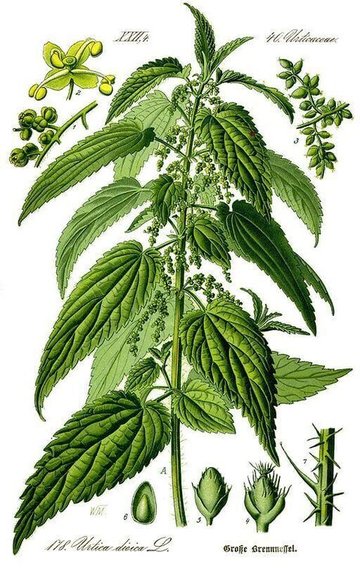
What makes this fable endure is that the advice is literally, botanically true. Stinging nettles (Urtica dioica) have hollow, needle-like hairs filled with formic acid. A light brush snaps the tips and injects the toxin. A firm grip flattens the hairs against the stem, and you feel nothing. Aesop — or whoever first told this story — built the moral on observable science centuries before anyone understood the chemistry.
The mother's role matters too. She doesn't mock the boy or dismiss his pain. She comforts him first, then teaches. The lesson lands because it comes with empathy, not judgment. This is a fable about how courage is taught as much as it is about courage itself. The boy needed to fail gently before he could learn to act boldly.
The English language absorbed the lesson directly. "Grasp the nettle" became a common idiom meaning to confront a difficulty head-on rather than shrinking from it. The poet Aaron Hill turned it into verse around 1730: "Grasp it like a man of mettle, / And it soft as silk remains." The pun on nettle and mettle captures the fable's core insight: what stings the timid rewards the bold.
In a world that often rewards caution, Aesop's nettle is a reminder that some problems only hurt when you treat them gingerly. The cure for the sting is not avoidance — it's commitment.
Find this helpful? Create a free account to bookmark stories and save explanations for quick reference.
Sign Up FreeAlready have an account? Log in