The Grasshopper and the Ant


The Grasshopper and the Ant (Perry Index 373) is one of the most retold of all Aesop’s fables. The Greek original featured a cicada rather than a grasshopper. Jean de La Fontaine made it the very first fable in his celebrated 1668 collection, titled La Cigale et la Fourmi, where the ant’s refusal to help sparked centuries of debate about compassion versus self-reliance. Our site also features a longer retelling under its alternate title, The Ant and the Grasshopper.
Miss Katy-Did and Miss Cricket

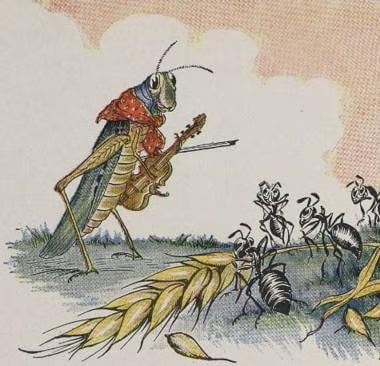
One bright day in late autumn, a family of Ants were bustling about in the warm sunshine, drying out the grain they had stored up during the summer, when a starving Grasshopper, his fiddle under his arm, came up and humbly begged for a bite to eat.

"What!" cried the Ants in surprise. "Haven’t you stored anything away for the winter? What in the world were you doing all last summer?"

"I didn’t have time to store up any food," whined the Grasshopper. "I was so busy making music that before I knew it the summer was gone."

The Ants shrugged their shoulders in disgust.

"Making music, were you?" they cried. "Very well; now dance!" And they turned their backs on the Grasshopper and went on with their work.

There’s a time for work and a time for play.

One bright day in late autumn a family of Ants were bustling about in the warm sunshine, drying out the grain they had stored up during the summer, when a starving Grasshopper, his fiddle under his arm, came up and humbly begged for a bite to eat.

"What!" cried the Ants in surprise, "haven't you stored anything away for the winter? What in the world were you doing all last summer?"

"I didn't have time to store up any food," whined the Grasshopper; "I was so busy making music that before I knew it the summer was gone."

The Ants shrugged their shoulders in disgust.

"Making music, were you?" they cried. "Very well; now dance!" And they turned their backs on the Grasshopper and went on with their work.

There's a time for work and a time for play.


You may also enjoy reading a parady of this fable in rhyme, The Impecunious Cricket and the Frugal Ant. Enjoy our complete collection of Short Stories for Children.


Frequently Asked Questions about The Grasshopper and the Ant

What is the moral of The Grasshopper and the Ant?

The moral is “There’s a time for work and a time for play.” The Grasshopper spent all summer making music while the Ants stored up food. When winter came, the Grasshopper was starving and the Ants refused to help. The fable teaches that failing to prepare during times of plenty leads to suffering when hard times arrive. It is one of Aesop’s most famous lessons about personal responsibility and planning ahead.

What is the difference between The Grasshopper and the Ant and The Ant and the Grasshopper?

They are the same Aesop fable (Perry Index 373) under two different titles. Our site features both versions: this shorter retelling from the classic “Aesop for Children” tradition, and a longer version titled The Ant and the Grasshopper. The core moral is identical, though different retellings vary in tone — some are harsher toward the grasshopper, while others, like La Fontaine’s famous French version, cast the ant as cold and uncharitable.

Why did the Ants refuse to help the Grasshopper?

The Ants refused because the Grasshopper had the same opportunity to prepare but chose not to. While they spent the summer working hard to store grain, the Grasshopper spent it playing his fiddle. The Ants saw his hunger as the predictable result of his own choices. Their response — “Making music, were you? Very well; now dance!” — is deliberately cruel, implying that if music was good enough for summer, it should be good enough for winter too.

Was the original fable about a grasshopper or a cicada?

The original Greek fable featured a cicada, not a grasshopper. The cicada was associated with music and song in Greek culture, making it a natural symbol for the improvident artist. When the fable was translated into northern European languages, the cicada — unfamiliar in colder climates — was replaced by a grasshopper, and later by a cricket in some English versions. Jean de La Fontaine’s famous French retelling kept the cicada (la cigale).

What lesson does The Grasshopper and the Ant teach children?

The fable teaches children that you need to balance fun and responsibility. It’s fine to play and enjoy yourself, but not at the expense of preparing for the future. The Grasshopper’s mistake wasn’t playing music — it was playing music instead of doing the work he needed to survive. The story encourages children to do their homework before playing, save some allowance for later, and understand that today’s choices have tomorrow’s consequences.

Is the ant the villain in The Grasshopper and the Ant?

That depends on your reading. The traditional interpretation sees the Ants as wise and the Grasshopper as foolish. But many readers — starting with La Fontaine in 1668 — have argued that the Ants are needlessly cruel. They have plenty of food and could easily share, yet they choose to mock the starving Grasshopper instead. This counter-reading has made the fable a touchstone for debates about charity, social responsibility, and whether a prosperous society should let its most vulnerable members suffer.

Why is The Grasshopper and the Ant so famous?

It is one of the most retold fables in Western literature. Jean de La Fontaine chose it as the very first fable in his celebrated 1668 collection. It has been adapted into ballets, operas, animated films (including a classic Disney short), and countless children’s books. Its enduring fame comes from the fact that it asks a question every generation must answer: what do the hardworking owe the carefree, and what does a community owe its weakest members?

What are the best Aesop fables to read next?

If you enjoyed The Grasshopper and the Ant, try these related fables: The Frogs and the Well — another warning about failing to think ahead before it’s too late. The Trees and the Axe — a lesson about how poor choices can destroy the very thing that sustains you. The Tortoise And The Ducks — a tale about vanity and foolishness leading to ruin. The Dog And His Reflection — the classic story of losing what you have by grasping for what you don’t.

Save stories, build your reading list, and access all study tools — completely free.

Save The Grasshopper and the Ant to your library — it's free!

Need help with The Grasshopper and the Ant?

Study tools to help with homework, prepare for quizzes, and deepen your understanding.

Flashcards →