The Mule


The Mule (Perry Index 315) is one of Aesop's briefest fables, targeting the hollow pride of those who claim distinction through ancestry rather than personal merit. The fable was retold by Phaedrus in his Latin verse collection and later adapted by Jean de La Fontaine as Le Mulet se vantant de sa généalogie. A mule is the offspring of a male donkey and a female horse, making the creature's confused parentage the biological punchline of the story.
The Mule by Aesop
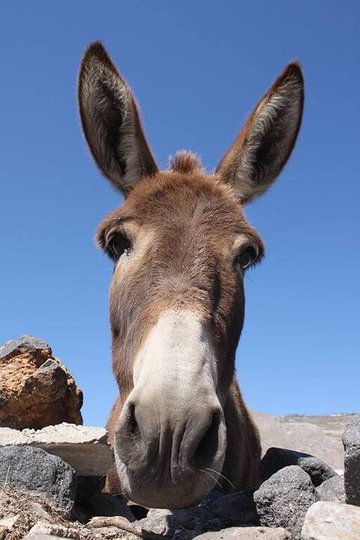
Klearchos Kapoutsis, Santorini's Donkey, 2010

A Mule had enjoyed a long rest and plenty of good food. He was feeling very energetic indeed, and pranced around proudly, holding his head high.

"My father was certainly a thoroughbred racehorse," he said. "I can feel that in every bone."

The next day he was put back into harness, and that evening he was very discouraged indeed.

"I was mistaken," he said. "My father was a Donkey after all."

Be sure of your pedigree before you boast of it.

A Mule had had a long rest and much good feeding. He was feeling very vigorous indeed, and pranced around loftily, holding his head high.

"My father certainly was a full-blooded racer," he said. "I can feel that distinctly."

Next day he was put into harness again and that evening he was very downhearted indeed.

"I was mistaken," he said. "My father was an Ass after all."

Be sure of your pedigree before you boast of it.


Frequently Asked Questions about The Mule

What is the moral of "The Mule" by Aesop?

The moral is "Be sure of your pedigree before you boast of it" — meaning you should verify your claims about yourself before making them publicly. The Mule boasts about having a racehorse father only because he feels energetic after rest and good food, not because he has any real evidence. Once actual work tests him, his fantasy collapses. Aesop warns that comfort and ease can create a false sense of superiority, and that true identity is revealed through action, not through idle self-congratulation.

What is the theme of "The Mule" fable?

The central theme of The Mule is false pride and self-deception. The Mule represents anyone who claims distinction based on ancestry or association rather than personal merit. A secondary theme is the difference between comfort and character — the Mule only believes he is noble when he is well-rested and well-fed, suggesting that ease distorts our self-perception. The fable also touches on the idea that real identity is tested by hard work, not by how we feel during moments of leisure.

Why does the Mule think his father is a racehorse?

The Mule thinks his father is a racehorse because he has had a long rest and plenty of good food, which makes him feel unusually vigorous and energetic. Prancing around with his head held high, he mistakes his temporary physical well-being for evidence of noble blood. This is the key psychological insight of the fable: feeling powerful is not the same as being powerful. The Mule confuses the effects of comfort with proof of a distinguished pedigree, a mistake that a single day of honest labor quickly corrects.

What does the Mule symbolize in Aesop's fable?

The Mule symbolizes people who boast about their family background or connections rather than their own accomplishments. Because a mule is biologically the offspring of a donkey and a horse, the animal embodies a literal identity crisis — it can claim either parent depending on how it feels. In the fable, this becomes a metaphor for those who selectively emphasize the most flattering parts of their heritage while ignoring the rest. The Mule's quick reversal from pride to humility also represents how fragile borrowed status really is.

What is the origin of "The Mule" fable?

The Mule is indexed as Perry 315 in the standard classification of Aesop's fables. The story was retold in Latin verse by Phaedrus, a Roman fabulist of the first century AD, and was later adapted by Jean de La Fontaine in his famous French collection as Le Mulet se vantant de sa généalogie ("The Mule Boasting of His Genealogy"). The fable plays on the biological fact that a mule is a hybrid of a donkey and a horse, making the creature's confused parentage both the joke and the moral lesson.

How does "The Mule" compare to "The Ass in the Lion's Skin"?

Both fables deal with false identity and the inevitable exposure of one's true nature, but they approach the theme differently. In The Ass In The Lions Skin, the Ass deliberately disguises himself to frighten others, and is exposed when his bray gives him away. In The Mule, there is no deliberate deception — the Mule genuinely believes his own boast until work proves him wrong. This makes the Mule's error more relatable: he is not a fraud but a self-deceiver, someone whose comfortable circumstances have distorted his self-image rather than someone consciously pretending.

What lesson does "The Mule" teach children?

For young readers, The Mule teaches that you should not brag about things you have not actually done yourself. The Mule feels strong and proud after resting, so he claims his father was a famous racehorse. But when he has to do real work, he quickly realizes he was wrong. The lesson is that actions matter more than words — anyone can boast when things are easy, but hard work reveals the truth. It also teaches that there is no shame in being ordinary, only in pretending to be something you are not.

What are the best Aesop fables to read after "The Mule"?

If you enjoyed the themes of false pride and mistaken identity in The Mule, these fables explore similar ideas:

Save stories, build your reading list, and access all study tools — completely free.

Save The Mule to your library — it's free!

Need help with The Mule?

Study tools to help with homework, prepare for quizzes, and deepen your understanding.

Flashcards →