Why a Lion Never Forgets a Kindness
Androcles and the Lion is one of the most enduring tales in the Western storytelling tradition, and its power lies in a deceptively simple premise: a small …
Understanding Androcles and the Lion
Why a Lion Never Forgets a Kindness
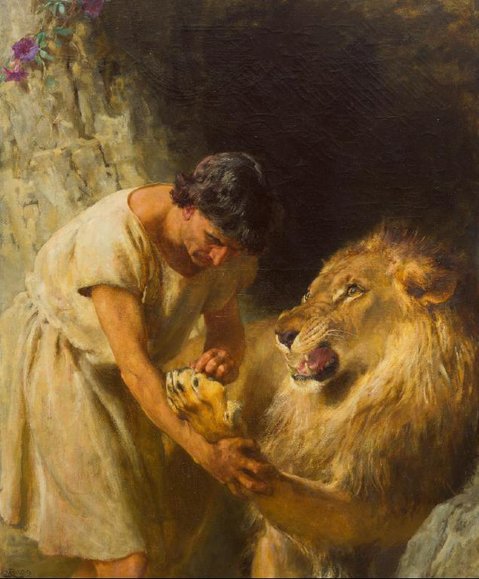
Androcles and the Lion is one of the most enduring tales in the Western storytelling tradition, and its power lies in a deceptively simple premise: a small act of compassion can transform the relationship between the strong and the weak. The runaway slave Androcles has nothing to offer the wounded lion—no wealth, no status, no authority. All he has is the willingness to help a suffering creature despite his own fear. That choice, made in a dark cave with nothing to gain, becomes the foundation of the entire story.
The fable operates on two levels. On the surface, it is an adventure story about a man and a wild animal who form an unlikely bond. But beneath that surface, Aesop explores a radical idea: that gratitude transcends the boundaries of species, social class, and power. The lion, the most fearsome predator in the ancient world, remembers and repays a kindness from the lowest member of human society. In Rome's rigid social hierarchy, this would have been a pointed statement—nobility of soul has nothing to do with nobility of birth.
The arena scene is the fable's dramatic centerpiece. Roman audiences would have expected blood sport, and the crowd in the story expects it too. Instead, they witness something that overturns every assumption about power and violence: the lion lies down at the slave's feet. This reversal is so striking that even the emperor is moved to mercy. The fable suggests that genuine compassion is contagious—it spreads from Androcles to the lion, and from the lion's display back to the ruler and the crowd.
It is worth noting how the story parallels The Lion and the Mouse, another Aesop fable about reciprocal kindness between unequal beings. Both tales argue that no creature is too small to repay a debt of gratitude, and no creature is too powerful to need help someday. Together, they form Aesop's most compelling case for the moral economy of kindness: what you give freely will come back to you when you need it most.
The moral—"Gratitude is the sign of noble souls"—applies to the lion as much as to Androcles. The lion's memory and loyalty elevate it above mere instinct, while Androcles's initial courage elevates him above his station as a slave. In Aesop's world, the truest measure of character is not strength or status but how one responds to the suffering of others.
Find this helpful? Create a free account to bookmark stories and save explanations for quick reference.
Sign Up FreeAlready have an account? Log in