The Bat, the Bramble, and the Seagull


The Bat, the Bramble, and the Seagull (Perry Index 171) is one of Aesop’s etiological fables — stories that explain the origins of animal behavior. It accounts for why bats fly at night, why brambles snag clothing, and why seagulls dive into the sea. The tale also functions as a parable about the psychological toll of financial loss. Some versions replace the seagull with a cormorant or diver bird, and the bramble with a thorn bush. The fable appears in the Greek prose collections attributed to Aesop and was retold by Babrius in verse.
The Bat, the Bramble, and the Seagull
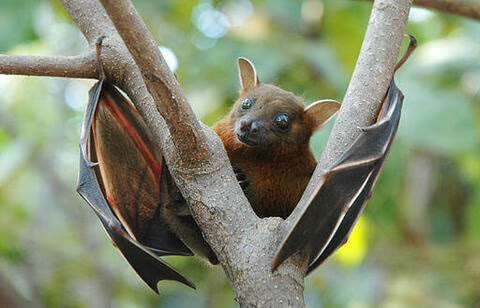
Anton Croos, Short-Nosed Fruit Bat, Sri Lanka

A Bat, a Bramble, and a Seagull went into partnership and decided to go on a trading voyage together. The Bat borrowed a sum of money for his venture; the Bramble gathered a stock of clothes of various kinds; and the Seagull took a quantity of lead. And so they set out.

Before long a great storm came on, and their boat with all its cargo sank to the bottom, but the three travelers managed to reach land.

Ever since then the Seagull flies back and forth over the sea, and every now and then dives below the surface, looking for the lead he lost; while the Bat is so afraid of meeting his creditors that he hides away by day and only comes out at night to feed; and the Bramble catches hold of the clothes of everyone who passes by, hoping some day to recognize and recover the lost garments.

All men are more concerned to recover what they lose than to acquire what they lack.

A Bat, a Bramble, and a Seagull went into partnership and determined to go on a trading voyage together. The Bat borrowed a sum of money for his venture; the Bramble laid in a stock of clothes of various kinds; and the Seagull took a quantity of lead: and so they set out. By and by a great storm came on, and their boat with all the cargo went to the bottom, but the three travellers managed to reach land. Ever since then the Seagull flies to and fro over the sea, and every now and then dives below the surface, looking for the lead he's lost; while the Bat is so afraid of meeting his creditors that he hides away by day and only comes out at night to feed; and the Bramble catches hold of the clothes of every one who passes by, hoping some day to recognize and recover the lost garments.

All men are more concerned to recover what they lose than to acquire what they lack.


Frequently Asked Questions about The Bat, the Bramble, and the Seagull

What is the moral of The Bat, the Bramble, and the Seagull?

The moral is “All men are more concerned to recover what they lose than to acquire what they lack.” After a storm destroys their trading cargo, each partner becomes obsessed with finding what was lost rather than starting over. The Seagull dives for sunken lead, the Bat hides from creditors, and the Bramble snatches at clothing. The fable teaches that loss often traps people in the past, preventing them from moving forward.

Why does the bat only come out at night in Aesop's fable?

According to the fable, the Bat borrowed money for the trading venture. When the ship sank and all the cargo was lost, the Bat couldn’t repay his creditors. Ever since, he hides during the day to avoid meeting them and only comes out at night to feed. Aesop uses this as a whimsical origin story to explain the bat’s nocturnal behavior, turning a biological fact into a tale about the shame of unpaid debt.

Why does the bramble catch people's clothes?

In the fable, the Bramble invested in a stock of clothes for the trading voyage. When the ship sank, all the garments were lost. Ever since, the Bramble catches hold of the clothes of everyone who passes by, hoping to recognize and recover the lost garments. It’s Aesop’s playful explanation for why thorny bushes snag your clothing — they’re still searching for something they lost long ago.

Why does the seagull dive into the sea?

The Seagull’s contribution to the trading venture was a quantity of lead. When the storm sank the boat, the lead went to the bottom of the sea. Ever since, the Seagull flies back and forth over the water, diving below the surface, endlessly searching for the lead he lost. Aesop uses this as a charming origin story for why seagulls are always seen swooping and diving over the ocean.

What type of fable is The Bat, the Bramble, and the Seagull?

It is an etiological fable — a story that explains the origins of natural phenomena or animal behavior. This fable accounts for three things at once: why bats are nocturnal, why brambles snag clothing, and why seagulls dive into the sea. Etiological tales are among the oldest forms of storytelling, and Aesop used them to wrap moral lessons inside entertaining explanations of the natural world.

What does The Bat, the Bramble, and the Seagull teach about loss?

The fable teaches that people often become defined by what they’ve lost rather than what they could still gain. None of the three partners try to rebuild or start a new venture. Instead, they spend the rest of their lives searching for what the storm took. Modern psychologists call this loss aversion — the tendency to feel the pain of a loss more intensely than the pleasure of an equivalent gain. Aesop captured this insight twenty-five centuries before behavioral economics gave it a name.

What is the Perry Index number for The Bat, the Bramble, and the Seagull?

The Bat, the Bramble, and the Seagull is Perry Index 171. It appears in the Greek prose collections attributed to Aesop and was retold in verse by Babrius. Some versions replace the seagull with a cormorant and the bramble with a thorn bush, but the structure and moral remain the same across all retellings.

What are the best Aesop fables to read next?

If you enjoyed The Bat, the Bramble, and the Seagull, try these thematically related fables: The Dog And His Reflection — the classic tale of losing what you have by grasping for what you don’t. The Goose And The Golden Egg — a warning about destroying a steady source of wealth through impatience. The Boy And The Filberts — a story about how trying to grab too much means losing everything. The Town Mouse And The Country Mouse — a tale about the hidden costs of risky ventures.

Save stories, build your reading list, and access all study tools — completely free.

Save The Bat, the Bramble, and the Seagull to your library — it's free!

Need help with The Bat, the Bramble, and the Seagull?

Study tools to help with homework, prepare for quizzes, and deepen your understanding.

Flashcards →