The Deadliest Weapon Is a Compliment
In most Aesop fables, the villain is punished. Not here. The Fox wins. He gets the cheese, walks away satisfied, and the Crow is left with nothing …
Understanding The Fox And The Crow
The Deadliest Weapon Is a Compliment
In most Aesop fables, the villain is punished. Not here. The Fox wins. He gets the cheese, walks away satisfied, and the Crow is left with nothing but embarrassment. This makes the fable unusually honest about how the world works: flattery is effective precisely because it works.
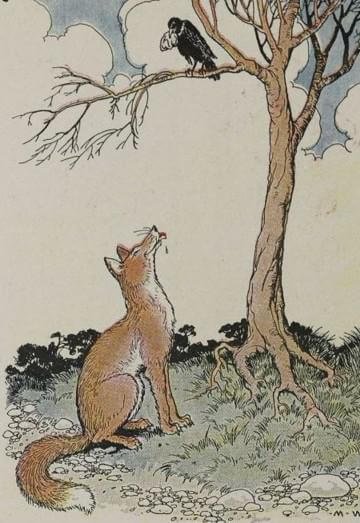
The Fox’s technique is masterful. He doesn’t ask for the cheese. He doesn’t threaten. He doesn’t even mention it. Instead, he attacks the Crow’s vanity — praising her feathers, her form, her wings. Each compliment is calculated to make the Crow feel special. Then comes the trap: “If she could sing just one song, I would hail her Queen of Birds.” The Crow doesn’t drop the cheese because she’s stupid. She drops it because she wants to believe the Fox’s praise is real.
This is what makes the fable so psychologically precise. Flattery works not because the victim is foolish, but because everyone wants to be admired. The Crow knows she can’t really sing. But the Fox’s words create a momentary fantasy in which she can, and that fantasy is so appealing that she sacrifices something real (the cheese) to live in it for one second.
The Fox’s parting shot — “You have a voice, sure enough. But where are your wits?” — is the cruelest line in all of Aesop. He takes the cheese and the Crow’s dignity. The lesson: when someone praises you extravagantly, ask yourself what they want.
Find this helpful? Create a free account to bookmark stories and save explanations for quick reference.
Sign Up FreeAlready have an account? Log in