The Miser


The Miser (Perry Index 225), also known as The Miser and His Gold, is a fable attributed to Aesop about the futility of hoarding wealth without using it. Unlike many Aesop fables, early versions were confined to Greek sources, and the story only gained wider European currency during the Renaissance. The stranger’s devastating logic—that a stone serves the same purpose as unused gold—has made this one of the most quoted fables on the psychology of greed and miserliness.
The Miser by Aesop

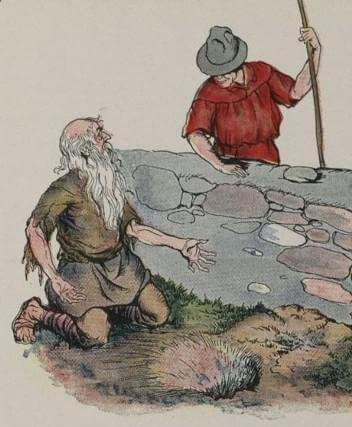
A Miser had buried his gold in a secret place in his garden. Every day he went to the spot, dug up the treasure, and counted it piece by piece to make sure it was all there. He made so many trips that a Thief, who had been watching him, guessed what the Miser had hidden, and one night quietly dug up the treasure and made off with it.

When the Miser discovered his loss, he was overcome with grief and despair. He groaned and cried and tore his hair.

A passerby heard his cries and asked what had happened.

"My gold! Oh, my gold!" cried the Miser wildly. "Someone has robbed me!"

"Your gold! There in that hole? Why did you put it there? Why didn't you keep it in the house where you could easily get it when you needed to buy things?"

"Buy!" screamed the Miser angrily. "Why, I never touched the gold. I couldn't think of spending any of it."

The stranger picked up a large stone and threw it into the hole.

"If that is the case," he said, "cover up that stone. It is worth just as much to you as the treasure you lost!"

A possession is worth no more than the use we make of it.

A Miser had buried his gold in a secret place in his garden. Every day he went to the spot, dug up the treasure and counted it piece by piece to make sure it was all there. He made so many trips that a Thief, who had been observing him, guessed what it was the Miser had hidden, and one night quietly dug up the treasure and made off with it.

When the Miser discovered his loss, he was overcome with grief and despair. He groaned and cried and tore his hair.

A passerby heard his cries and asked what had happened.

"My gold! O my gold!" cried the Miser, wildly, "someone has robbed me!"

"Your gold! There in that hole? Why did you put it there? Why did you not keep it in the house where you could easily get it when you had to buy things?"

"Buy!" screamed the Miser angrily. "Why, I never touched the gold. I couldn't think of spending any of it."

The stranger picked up a large stone and threw it into the hole.

"If that is the case," he said, "cover up that stone. It is worth just as much to you as the treasure you lost!"

A possession is worth no more than the use we make of it.


Frequently Asked Questions about The Miser

What is the moral of The Miser?

The moral is "A possession is worth no more than the use we make of it." The Miser buries his gold and visits it daily to count it, but never spends a single piece. When a thief steals it, a stranger points out that the Miser might as well bury a stone—since he never used the gold, it had no more value to him than a rock. The fable teaches that wealth, talent, or any resource has no real worth unless it is put to use.

What is the theme of The Miser?

The central theme is the futility of hoarding. The Miser possesses great wealth but derives no benefit from it—he never buys anything, never enjoys his fortune, and never lets it serve any purpose. Related themes include greed as self-imprisonment, the difference between owning something and truly having it, and the irony that obsessive attachment to possessions can make you more vulnerable to losing them. The Miser’s compulsive visits to his buried gold are exactly what alert the Thief.

Why does the stranger throw a stone in the hole?

The stranger throws the stone to make a devastating point: since the Miser never used his gold, a stone serves the exact same purpose. Both just sit in a hole. The stranger’s logic is simple—if you never spend it, never trade it, never let it do anything, then gold is functionally worthless. The stone is not an insult; it is a mirror held up to the Miser’s behavior, forcing him to confront the absurdity of treasuring something he refused to use.

What does The Miser teach about wealth?

The fable teaches that wealth has no inherent value—only the use we make of it gives it worth. The Miser’s gold was essentially meaningless because he treated it as an object of worship rather than a tool. He counted it daily but never spent it, which means he never actually had it in any meaningful sense. The lesson applies beyond money: talent never expressed, knowledge never shared, and time never enjoyed are all forms of buried gold—possessions in name only.

How did the thief discover the Miser's gold?

The Thief discovered the gold by observing the Miser’s obsessive daily routine. The Miser visited his secret hiding spot so frequently—digging up the treasure and counting it every day—that his pattern became obvious to anyone watching. This is one of the fable’s sharpest ironies: the very behavior meant to protect the gold is what exposed it. If the Miser had simply left the gold alone (or better yet, used it), the Thief would never have known where it was hidden.

What is the difference between The Miser and The Goose and the Golden Egg?

Both fables are about greed destroying wealth, but from opposite directions. In The Goose and the Golden Egg, the farmer is too impatient—he kills the goose to get all the gold at once and loses everything. In The Miser, the problem is the opposite: the Miser is too possessive—he refuses to use his gold at all, which makes it worthless even before it’s stolen. Together, the two fables frame the healthy middle ground: use your wealth wisely, neither hoarding it nor destroying it through greed.

What is the origin and history of The Miser fable?

The Miser is Perry Index 225, attributed to Aesop. Unlike many of Aesop’s fables, early versions of this story were confined to Greek sources, and it only gained wider European currency during the Renaissance. The fable uses human characters rather than animals, placing it in a smaller category of Aesop’s works that directly satirize human psychological weaknesses rather than using animal allegory.

What Aesop fables are similar to The Miser?

If this fable about the futility of hoarding resonated, explore these related Aesop fables:

  • The Farmer And His Sons — A father tells his sons treasure is buried in their vineyard—the real treasure turns out to be the labor itself, not hidden gold.
  • The Fox And The Monkey — A monkey holds the throne but cannot use power wisely, proving that possessing something means nothing without competence.
  • The Frog And The Mouse — Greed and treachery backfire when a frog’s scheme to drown a mouse leads to his own capture.
  • The Quack Toad — Claiming to possess something of value is worthless if the evidence contradicts you.

Save stories, build your reading list, and access all study tools — completely free.

Save The Miser to your library — it's free!

Need help with The Miser?

Study tools to help with homework, prepare for quizzes, and deepen your understanding.

Flashcards →