Summary
A Serpent wanders into a blacksmith's workshop at night, searching for food. It discovers a steel File on the workbench and begins gnawing at it, trying to bite through the hard metal. The …
Understanding The Serpent and the File
Summary
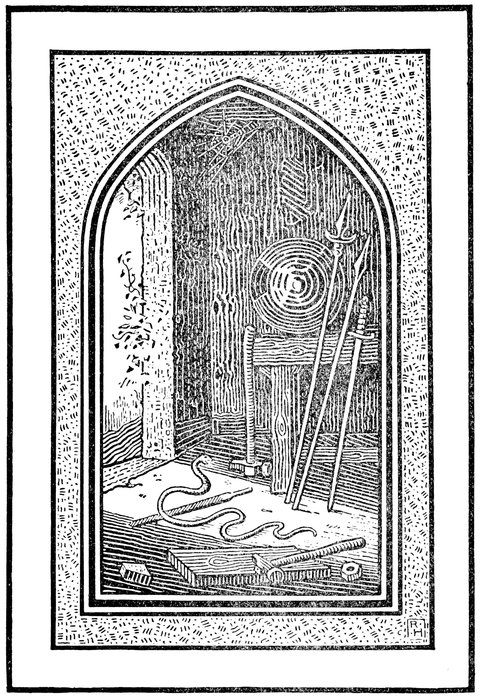
A Serpent wanders into a blacksmith's workshop at night, searching for food. It discovers a steel File on the workbench and begins gnawing at it, trying to bite through the hard metal. The File laughs and warns the Serpent that it is a fool — the File is made to wear down iron and steel, so the Serpent's teeth can do nothing against it. But the stubborn Serpent keeps gnawing until its mouth is raw and bleeding, while the File remains completely unharmed.
Moral
The fable's explicit moral — "It is futile to attack those who are far stronger than you" — warns against wasting effort on battles you cannot win. The Serpent's fangs, deadly against living creatures, are useless against cold steel. Aesop uses this mismatch to show that strength is relative: what works in one situation may be completely ineffective in another.
Analysis
The File is a carefully chosen symbol. Unlike a rock or a wall, which merely resist, a file actively wears things down — it "bites" harder than anything the Serpent can manage. This creates a pointed irony: the Serpent, accustomed to being the aggressor, encounters something that surpasses it at its own game.
The Serpent's stubbornness is the real lesson here. The File gives fair warning, yet the Serpent continues. This transforms the fable from a simple power mismatch into a story about pride and the refusal to recognize one's limitations. The Serpent harms only itself — a pattern Aesop returns to repeatedly in fables about foolish aggression.
Historically, this fable (Perry Index 93) appeared in Phaedrus's Latin collection and was retold by La Fontaine as Le Serpent et la Lime. Its enduring appeal lies in its universal applicability: whether in personal conflicts, business rivalries, or political struggles, attacking someone impervious to your weapons only exhausts and injures you.
The blacksmith's workshop setting reinforces the theme. This is a world of tools designed to shape and resist metal — everything here is harder than the Serpent. By entering this environment and picking a fight, the Serpent is doubly foolish: it has wandered into a place where its natural weapons are meaningless.
Find this helpful? Create a free account to bookmark stories and save explanations for quick reference.
Sign Up FreeAlready have an account? Log in