Lydia Puckett Spoon River Anthology

Previous Chapter Next Chapter

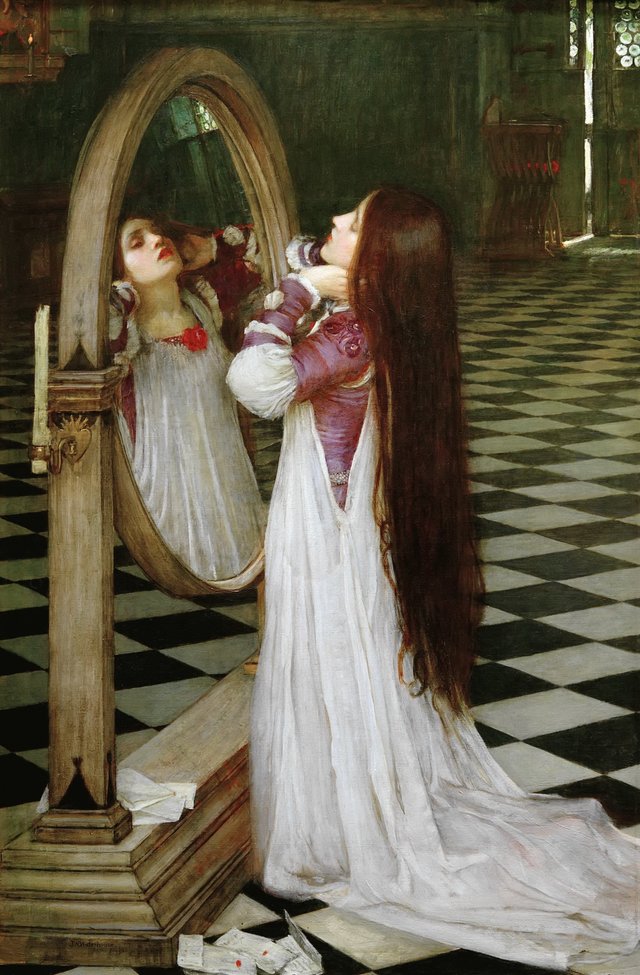
Mariana in the South by John William Waterhouse
"Mariana in the South" by J.W. Waterhouse, 1897
This poem contradicts Knowlt Hoheimer’s claim about why he enlisted. Read his poem first for the full effect.

Knowlt Hoheimer ran away to the war
The day before Curl Trenary
Swore out a warrant through Justice Arnett
For stealing hogs.
But that’s not the reason he turned a soldier.
He caught me running with Lucius Atherton.
We quarreled and I told him never again
To cross my path.
Then he stole the hogs and went to the war—
Back of every soldier is a woman.

Frequently Asked Questions about Lydia Puckett from Spoon River Anthology

What is the meaning of "Lydia Puckett" by Edgar Lee Masters?

Lydia Puckett contradicts Knowlt Hoheimer’s claim that he joined the army to escape a hog-stealing warrant. Lydia reveals the real reason: heartbreak. Knowlt caught her with Lucius Atherton, they quarreled, and she told him never to cross her path again. Only then did he steal the hogs and enlist. Her final line—"Back of every soldier is a woman"—is both a boast and a universal observation about the hidden personal motives behind public acts.

What does "Back of every soldier is a woman" mean?

Lydia’s famous closing line claims that behind every man who goes to war is a romantic motive he won’t admit. Knowlt said he enlisted to avoid jail; Lydia says he enlisted because she broke his heart. The line is characteristically egocentric—she makes herself the cause of his death—but it also carries a broader truth about how personal anguish drives public action. Masters leaves the reader to decide whether Lydia is perceptive or self-aggrandizing.

How does "Lydia Puckett" connect to "Knowlt Hoheimer"?

The two poems form a paired contradiction. Knowlt says he joined the army to escape prosecution for stealing hogs. Lydia says the hog theft itself was an act of desperation after she rejected him—he stole them and enlisted because his life fell apart when she told him "never again / To cross my path." Masters shows that people rarely understand or honestly report their own motives.

What is the tone of "Lydia Puckett"?

The tone is matter-of-fact and faintly self-congratulatory. Lydia narrates the sequence of events—infidelity, quarrel, hog theft, enlistment, death—with the calm assurance of someone who sees the pattern clearly. Her closing philosophical line has the ring of a woman who has thought about this for a long time and arrived at a conclusion that flatters her own importance.

Who is Lucius Atherton?

Lucius Atherton is the man Lydia was "running with" when Knowlt caught them. He has his own epitaph in Spoon River Anthology where he confesses to a life of seduction and ruin. His involvement in the Knowlt-Lydia story adds another layer—a serial seducer who inadvertently caused a man’s death in the Civil War.


Previous Chapter Next Chapter
Return to the Spoon River Anthology Summary Return to the Edgar Lee Masters Library