Mrs. Benjamin Pantier Spoon River Anthology

Previous Chapter Next Chapter

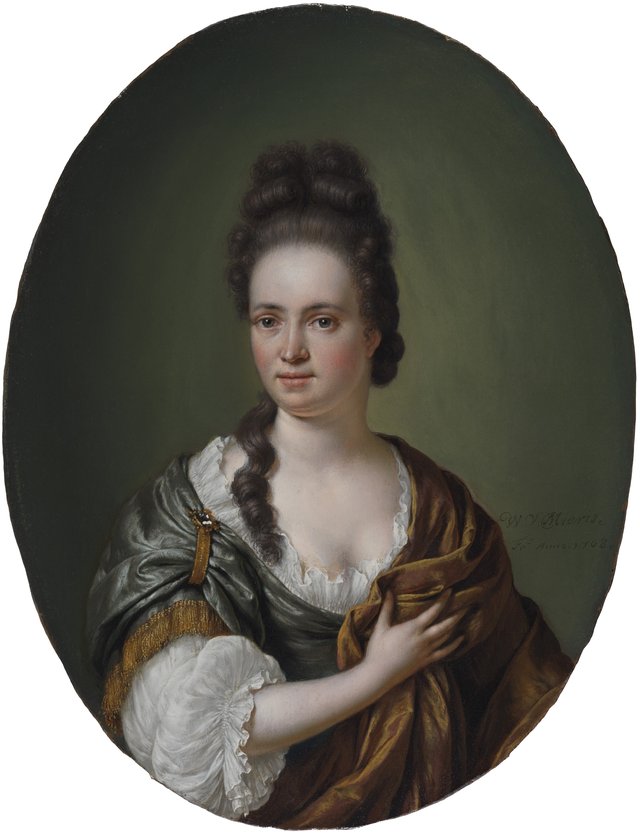
Portrait of an Elegant Woman by Willem van Mieris
"Portrait of an Elegant Woman" by Willem van Mieris, c. 1710
This poem answers Benjamin Pantier’s accusation that she destroyed him. Trainor, the Druggist offers a third perspective: they were “good in themselves, but evil toward each other.”

I know that he told that I snared his soul
With a snare which bled him to death.
And all the men loved him,
And most of the women pitied him.
But suppose you are really a lady, and have delicate tastes,
And loathe the smell of whiskey and onions,
And the rhythm of Wordsworth’s “Ode” runs in your ears,
While he goes about from morning till night
Repeating bits of that common thing;
“Oh, why should the spirit of mortal be proud?”
And then, suppose;
You are a woman well endowed,
And the only man with whom the law and morality
Permit you to have the marital relation
Is the very man that fills you with disgust
Every time you think of it while you think of it
Every time you see him?
That’s why I drove him away from home
To live with his dog in a dingy room
Back of his office.

Frequently Asked Questions about Mrs. Benjamin Pantier from Spoon River Anthology

What is the meaning of "Mrs. Benjamin Pantier" by Edgar Lee Masters?

Mrs. Pantier gives her side of the marriage her husband blamed for his ruin. Where Benjamin claimed she "snared his soul," she explains that she was a refined woman with delicate tastes who loathed his whiskey breath and onion smell. She loved Wordsworth’s poetry; he repeated the common verse "Oh, why should the spirit of mortal be proud?" She drove him to live with his dog not out of cruelty but because every aspect of him repulsed her. The poem makes a case that incompatibility, not villainy, destroys marriages.

What is the poem "Oh, why should the spirit of mortal be proud" that Benjamin recites?

It is "Mortality" by William Knox (1789–1825), a once-popular poem that Abraham Lincoln frequently recited and loved. Mrs. Pantier calls it "that common thing"—contrasting it with Wordsworth’s "Ode" (the Intimations of Immortality ode), which she considers real poetry. The cultural gap between them—she the highbrow, he the middlebrow—is one more dimension of their incompatibility.

How does Mrs. Pantier’s poem change our view of Benjamin?

Benjamin presented himself as a victim of a cruel wife. Mrs. Pantier forces the reader to reconsider that narrative. She asks: "suppose you are really a lady, and have delicate tastes, / And loathe the smell of whiskey and onions" and the only man you may legally be intimate with "fills you with disgust / Every time you think of it." Masters refuses to choose a villain—both spouses suffered, and both were right from their own perspective.

What is the tone of "Mrs. Benjamin Pantier"?

The tone is defensive, sardonic, and precisely articulate. Unlike Benjamin’s weary resignation, Mrs. Pantier argues her case like a lawyer—"But suppose you are really a lady"—inviting the reader to walk in her shoes. Her rhetorical skill contrasts with the crude physical details (whiskey, onions, disgust), creating a portrait of a cultured woman using eloquence to justify what looks like cruelty.

Why does Mrs. Pantier mention Wordsworth?

Wordsworth’s Intimations of Immortality ode represents high Romantic poetry—complex, philosophical, beautiful. Mrs. Pantier says its rhythm "runs in your ears" while her husband endlessly repeats a popular sentimental verse. The clash between their literary tastes symbolizes a deeper incompatibility of intellect, sensibility, and class that no marriage could bridge.


Previous Chapter Next Chapter
Return to the Spoon River Anthology Summary Return to the Edgar Lee Masters Library