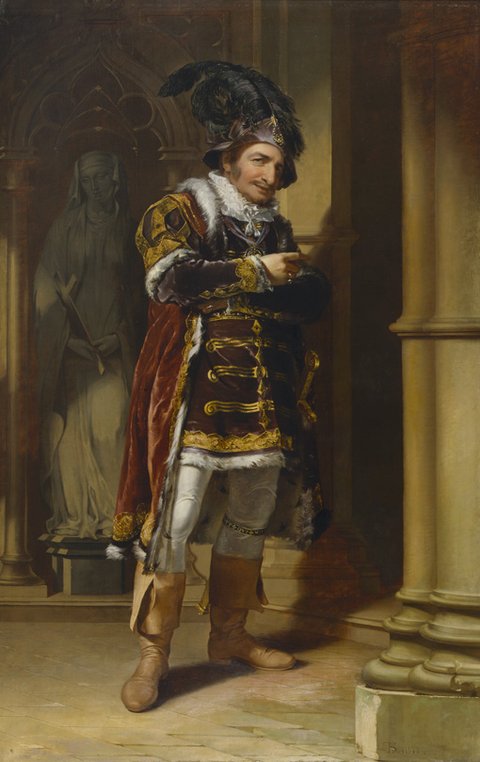
Richard III

Richard III, written around 1592, is one of Shakespeare's earliest triumphs and features one of the most magnetic villains in dramatic literature. The play follows Richard, Duke of Gloucester, as he schemes, murders, and manipulates his way to the English throne. From his opening soliloquy, in which he declares himself "determined to prove a villain," Richard takes the audience into his confidence, making us complicit witnesses to his breathtaking audacity. He woos Lady Anne over the coffin of the king he helped murder, engineers the execution of his brother Clarence, and orchestrates the deaths of the young princes in the Tower of London.
Richard's rise is as dazzling as his fall is precipitous. Once crowned, he finds that the terror and suspicion he has sown leave him isolated and paranoid. Former allies desert him, and the exiled Henry Tudor, Earl of Richmond, gathers a force to challenge him. On the eve of the Battle of Bosworth Field, the ghosts of all Richard's victims appear to him in a dream, each delivering the chilling refrain "Despair and die." The battle itself sees Richard unhorsed and desperate, crying "A horse! A horse! My kingdom for a horse!" before Richmond kills him and claims the crown as Henry VII.
Richard III is a virtuoso study of political evil, theatrical charisma, and the ultimate futility of tyranny. The title role has been a showcase for great actors for over four centuries, and the play's depiction of how a society can be seduced and terrorized by a single ruthless individual remains chillingly relevant.