The Price of a Grudge
The Horse, the Hunter, and the Stag is one of Aesop's sharpest political fables, and its message has lost none of its edge in over two thousand years. …
Understanding The Horse, the Hunter, and the Stag
The Price of a Grudge
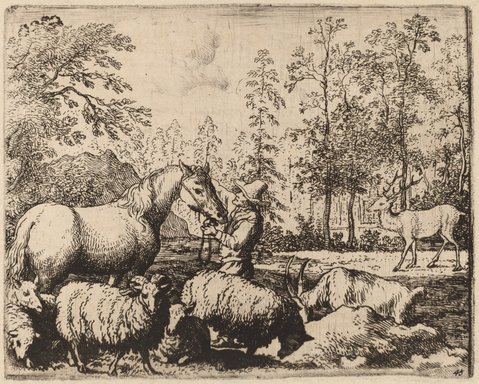
The Horse, the Hunter, and the Stag is one of Aesop's sharpest political fables, and its message has lost none of its edge in over two thousand years. The setup is deceptively simple: a horse has a grievance, seeks outside help, and pays a catastrophic price. But beneath that simplicity lies a warning that has echoed through every century since the ancient Greeks first told the story.
The horse's mistake is not that he is angry — the stag genuinely damaged his meadow. His mistake is that anger blinds him to the terms of the bargain. The hunter's conditions are clear: bridle, saddle, rider. These are the instruments of permanent control, not temporary alliance. But the horse, consumed by his desire for revenge, agrees without thinking. Aesop's insight is psychological as much as political: strong emotion narrows our vision until we can see only the immediate goal, not the long-term cost.
The fable's political dimension is what made it famous in the ancient world. The poet Stesichorus told this story to the citizens of Himera when they were about to elect the tyrant Phalaris as their military leader. His point was devastating: you may defeat your enemies, but you will never get rid of the man you invited to help you. Aristotle was so impressed by the example that he included it in his Rhetoric as a model of how fables can be used to persuade an audience. The warning proved prophetic — Phalaris became one of the most notorious tyrants in Greek history.
What makes the fable endure is the universality of the trap it describes. Every era has its version of the horse's bargain: a nation that invites a foreign power to help settle an internal dispute, a business partner who surrenders equity for short-term cash, a person who compromises their independence to get back at someone who wronged them. The pattern is always the same — the helper's price is higher than it first appears, and the debt can never be repaid.
The final exchange between horse and hunter is the story's cruelest moment. The horse asks to be set free, fully expecting the hunter to honor the implied agreement. The hunter's refusal is not villainous — it is simply rational. He never promised to let the horse go, and the horse never asked. Aesop reminds us that the terms of a bad bargain are set the moment we agree to them, not when we discover their true cost. Freedom, once surrendered, is not easily reclaimed.
Find this helpful? Create a free account to bookmark stories and save explanations for quick reference.
Sign Up FreeAlready have an account? Log in