
Luxury vs. Peace: The Choice That Never Gets Easier
This is one of Aesop’s most psychologically honest fables because neither mouse is wrong. The Town Mouse genuinely has better food. The Country …
Understanding The Town Mouse And The Country Mouse
Luxury vs. Peace: The Choice That Never Gets Easier
This is one of Aesop’s most psychologically honest fables because neither mouse is wrong. The Town Mouse genuinely has better food. The Country Mouse genuinely has more safety. The fable doesn’t pretend that the country life has no drawbacks (the food is boring) or that the city life has no advantages (the food is exquisite). It simply asks: what are you willing to risk for luxury?
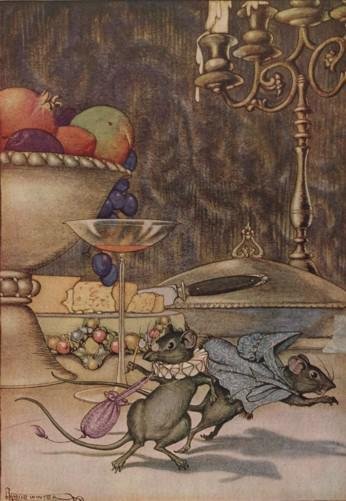
The Country Mouse’s answer is clear: nothing. After a single encounter with the cat and the dog, she is done. The pleasures of pastry and cheese are not worth the terror of being eaten alive. Her famous parting line — “I prefer my plain food and simple life in the country with the peace and security that go with it” — is not a rejection of pleasure. It’s a calculation. She has weighed the costs and benefits and made her choice.
The Town Mouse, notably, does not follow her. She stays in the city. She has made the opposite calculation and accepted the risks. The fable respects both choices while clearly favoring the Country Mouse’s wisdom: no feast is worth eating if you might become the feast.
The Roman poet Horace made this fable the centerpiece of a meditation on the simple life versus political ambition in his Satires. Twenty centuries later, the same tension plays out in every decision between a high-paying stressful job and a modest comfortable one, between a glamorous city apartment and a quiet life somewhere smaller. Aesop asked the question first. We’re still answering it.
Find this helpful? Create a free account to bookmark stories and save explanations for quick reference.
Sign Up FreeAlready have an account? Log in