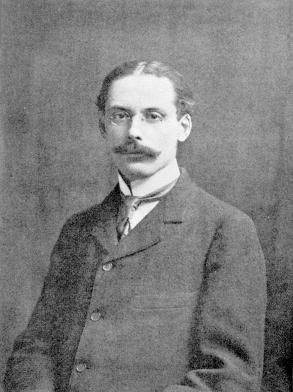
Edwin Arlington Robinson (1869–1935) was one of the most celebrated American poets of the early twentieth century. Born in Head Tide, Maine, he grew up in the nearby town of Gardiner, which became the model for "Tilbury Town," the fictional New England village that serves as the setting for many of his best-known poems. Robinson attended Harvard for two years but was forced to leave due to his family's declining fortunes.
Robinson struggled with poverty and alcoholism for much of his early career, but his work eventually gained recognition. President Theodore Roosevelt, an admirer of his poetry, secured him a position at the New York Custom House. Robinson went on to win the Pulitzer Prize for Poetry three times (1922, 1925, 1928), making him one of the most honored American poets of his era.
His poetry is characterized by its formal precision, psychological depth, and compassionate but unflinching portraits of ordinary people. Poems like "Richard Cory," "Miniver Cheevy," and "Mr. Flood's Party" explore themes of isolation, failure, and the gap between appearance and reality in small-town American life.