The Winter's Tale

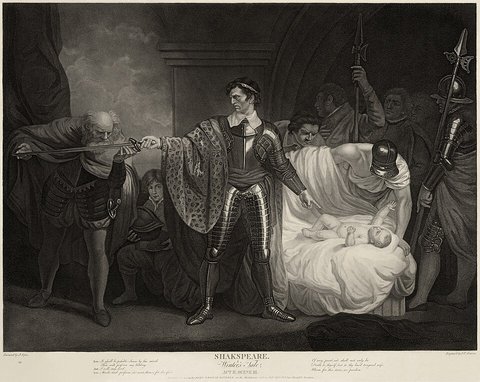
The Winter's Tale, written around 1611, is one of Shakespeare's great late romances, a play that moves from the depths of jealous tyranny to the heights of pastoral joy and miraculous restoration. King Leontes of Sicilia, seized by sudden and irrational jealousy, becomes convinced that his pregnant wife Hermione has been unfaithful with his childhood friend Polixenes, King of Bohemia. Despite all evidence and counsel to the contrary, Leontes imprisons Hermione, puts her on trial, rejects the oracle of Apollo that declares her innocent, and orders the newborn princess Perdita to be abandoned in the wilderness. Hermione collapses and is reported dead. Leontes' young son Mamillius dies of grief.
The play then leaps forward sixteen years. Perdita has been raised by a shepherd in Bohemia and has grown into a radiant young woman who falls in love with Florizel, son of Polixenes. Their pastoral courtship, set among the sheep-shearing festivals of the Bohemian countryside, provides some of Shakespeare's most lyrical and joyous writing. When Polixenes threatens to separate the lovers, they flee to Sicilia, where identities are revealed and Leontes is reunited with his daughter.
The play's climax is one of Shakespeare's most astonishing theatrical moments: Hermione, preserved as a statue for sixteen years, comes to life before the penitent Leontes. Whether this is resurrection or revelation, miracle or stagecraft, The Winter's Tale affirms that time, patience, and grace can heal even the most grievous wrongs. It is a play about the possibility of redemption and the enduring power of love to survive destruction.