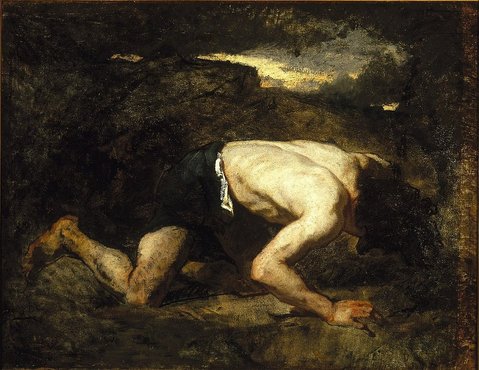
Timon of Athens

Timon of Athens, written around 1608, is one of Shakespeare's most unsparing works, a savage parable about wealth, generosity, and the fickleness of human gratitude. Timon is an Athenian lord of immense wealth and even greater liberality, who showers gifts, banquets, and financial support on a circle of flattering friends, artists, and politicians. His steward Flavius warns him repeatedly that his fortune is running out, but Timon refuses to listen, confident that the friends he has so lavishly entertained will support him in turn.
When Timon's creditors close in and he turns to his friends for help, every one of them refuses with transparent excuses. This betrayal transforms Timon completely. He holds a final banquet at which he serves his guests warm water and hurls it in their faces, cursing them and all of Athens. He retreats to a cave outside the city, where he becomes a raging misanthrope, railing against all humanity. When he discovers gold while digging for roots, he uses it to fund the rebellious general Alcibiades, who is marching on Athens, hoping the city will be destroyed.
Timon of Athens is widely believed to be a collaboration between Shakespeare and Thomas Middleton, and it may never have been completed or performed in Shakespeare's lifetime. Despite its rough edges, the play's ferocious critique of a society built on money and false friendship has found new audiences in every age of economic anxiety. Timon's transformation from boundless generosity to absolute misanthropy remains one of the most extreme character arcs in all of Shakespeare.