Why We Beg for Death—Then Beg to Live
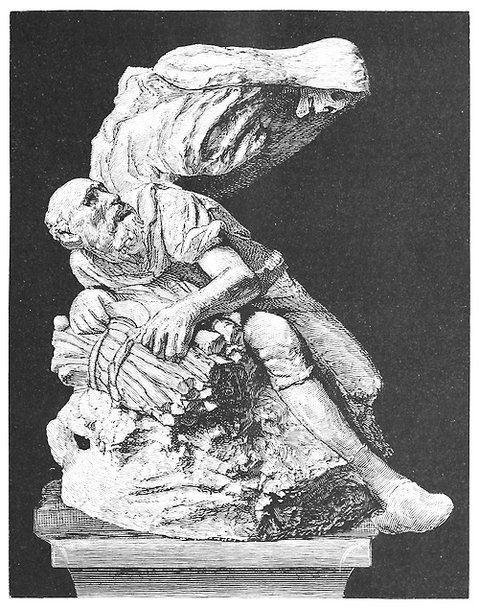
Aesop's fable is deceptively simple: an exhausted old man throws down his bundle of sticks, cries out for Death, and then panics when Death actually …
Understanding The Old Man and Death
Why We Beg for Death—Then Beg to Live
Aesop's fable is deceptively simple: an exhausted old man throws down his bundle of sticks, cries out for Death, and then panics when Death actually shows up. In six short paragraphs, the story captures one of the deepest contradictions in human psychology—our ability to complain bitterly about life while clinging to it with every fiber of our being.
The old man's outburst is not a genuine wish to die. It is the universal language of frustration—the kind of dramatic declaration people make when they are tired, overworked, or beaten down by circumstance. Aesop understood that words spoken in exhaustion rarely reflect true desire. The man does not want oblivion; he wants relief. When Death takes him literally, the gap between rhetoric and reality becomes terrifyingly clear.
What makes the fable psychologically rich is the old man's instant reversal. He does not pause to weigh the pros and cons of existence. He does not deliver a philosophical speech about the value of life. He simply stammers out a transparently absurd excuse—asking Death to help him lift his sticks. The speed of his retreat reveals something primal: no matter how heavy our burdens feel, the survival instinct overrides despair in an instant.
This theme resonated so powerfully that Jean de La Fontaine wrote not one but two verse adaptations of it in his Fables (1668). His first version, La Mort et le malheureux, emphasizes the moral lesson. His second, La Mort et le bûcheron, hews closer to Aesop's original and focuses on the dramatic moment of confrontation. That La Fontaine felt compelled to revisit the story speaks to its emotional depth—there is always more to say about why humans fear the very thing they claim to want.
The fable also works as a quiet commentary on complaining itself. The old man's grievances about his "wretched life" are real—he is old, tired, and burdened—but they are not the whole truth. Beneath the complaints lies an attachment to existence that no amount of suffering can fully extinguish. Aesop is not mocking the old man. He is recognizing that this contradiction is not a weakness but a fundamental feature of being human.
The moral—"We may tire of life, but we cling to it still"—is among the most honest in all of Aesop's work. It asks us to notice the gap between what we say in our worst moments and what we actually want. The next time life feels unbearable, the old man's story reminds us: you are not ready to let go. You never were. You just need someone to help you carry the sticks.
Find this helpful? Create a free account to bookmark stories and save explanations for quick reference.
Sign Up FreeAlready have an account? Log in