Why the Scorpion Always Stings
Few fables cut as sharply as The Scorpion and the Frog. In just a few lines, it delivers a devastating insight into human nature: some destructive impulses run …
Understanding The Scorpion and the Frog
Why the Scorpion Always Stings
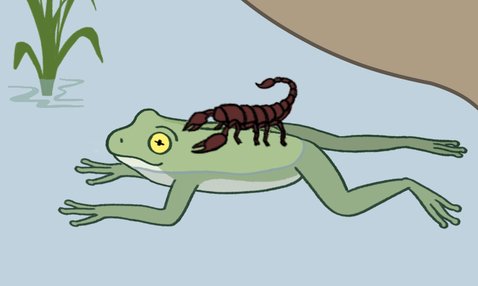
Few fables cut as sharply as The Scorpion and the Frog. In just a few lines, it delivers a devastating insight into human nature: some destructive impulses run so deep that no amount of logic, self-interest, or goodwill can overcome them. The scorpion knows it will drown. It stings anyway. That single act of self-sabotage is what makes this story unforgettable.
The frog represents the reasonable person's dilemma. The scorpion's argument is flawless on the surface—why would it sting when doing so means certain death? The frog weighs the evidence, applies logic, and concludes that cooperation is in both their interests. This is exactly how most of us make decisions about trust: we assume that rational self-interest will govern other people's behavior. The fable warns us that this assumption can be fatally wrong.
The scorpion, meanwhile, embodies a truth that psychology has long grappled with. Its final words—"It is my nature"—are not an excuse but a confession. The scorpion is not evil in the calculating sense; it is compulsive. Modern psychologists have drawn parallels between the scorpion and individuals whose destructive patterns persist despite clear consequences, from addiction to personality disorders. The scorpion does not want to drown. It simply cannot stop itself from stinging.
What makes this fable so resonant across cultures is its refusal to offer a comfortable resolution. There is no redemption arc, no last-minute change of heart. The frog's trust is punished, and the scorpion's nature is confirmed. Readers are left to sit with the uncomfortable truth that some people will harm you not out of malice or strategy, but because they cannot do otherwise. The only defense is to recognize the scorpion for what it is before climbing onto its back.
This moral has found its way into film, politics, psychology, and everyday conversation precisely because it captures something we all sense but hesitate to accept: that character, for better or worse, tends to be destiny. The fable does not argue that people can never change—but it insists that we should never stake our survival on the hope that they will.
Find this helpful? Create a free account to bookmark stories and save explanations for quick reference.
Sign Up FreeAlready have an account? Log in