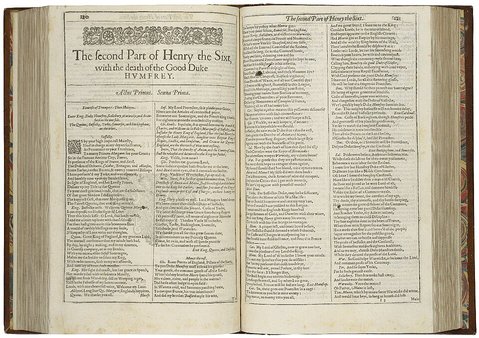
Henry VI, Part II

Henry VI, Part II, written around 1591, dramatizes the accelerating collapse of English royal authority during the reign of the pious but weak King Henry VI. The play opens with the arrival of Margaret of Anjou as Henry's queen. She quickly becomes a dominant political force, allying with the Duke of Suffolk against the Lord Protector, the noble Duke Humphrey of Gloucester. Through conspiracy and false accusation, Gloucester is removed from power and murdered, leaving England without its most capable statesman.
The play's middle acts depict the popular uprising led by Jack Cade, a charismatic demagogue who promises to remake English society. Cade's rebellion produces some of Shakespeare's most memorable scenes of mob violence and dark comedy, including the famous line "The first thing we do, let's kill all the lawyers." The rebellion is ultimately crushed, but it exposes the depth of popular discontent with a government riven by aristocratic self-interest.
As the play concludes, Richard, Duke of York, openly asserts his claim to the throne, and the first Battle of St Albans marks the beginning of the Wars of the Roses. Henry VI, Part II is a gripping portrait of political disintegration, showing how ambition, treachery, and the absence of strong leadership can bring a nation to the brink of civil war. It is essential reading for understanding Shakespeare's monumental vision of English history.