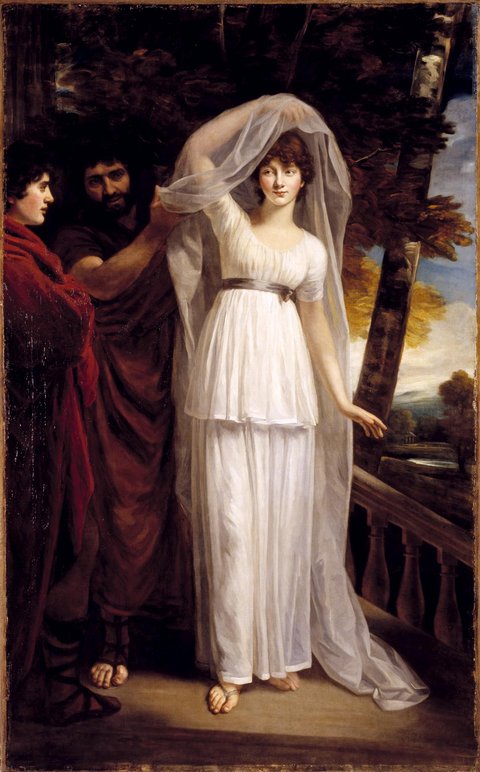
Troilus and Cressida

Troilus and Cressida, written around 1602, is one of Shakespeare's most intellectually challenging and tonally elusive works, defying easy classification as comedy, tragedy, or history. Set during the seventh year of the Trojan War, the play interweaves two storylines: the love affair between the Trojan prince Troilus and the beautiful Cressida, and the Greek army's frustrated efforts to end the war. The Greeks are mired in lethargy, with the great warrior Achilles sulking in his tent and refusing to fight, while the sharp-tongued Thersites provides a scathing commentary on the folly of both sides.
Troilus and Cressida pledge eternal love, but when Cressida is exchanged to the Greek camp as part of a prisoner swap, she quickly transfers her affections to the Greek warrior Diomedes. Troilus witnesses her betrayal and is devastated, yet the play refuses to grant him the dignity of a tragic hero. Meanwhile, the Greek strategist Ulysses delivers famous speeches on order and hierarchy that seem to promise rational resolution, but events undercut his wisdom at every turn. The death of Hector, killed by Achilles' men in a cowardly ambush, brings the war plot to a bitter, inglorious conclusion.
Troilus and Cressida is Shakespeare's most corrosive satire, stripping the legends of Troy of their heroic grandeur to reveal pettiness, vanity, and self-delusion. Its cynical vision of war as futile, love as unstable, and honor as a hollow performance has made it especially resonant with modern audiences. The play was rarely performed before the twentieth century but is now recognized as one of Shakespeare's most provocative achievements.