-
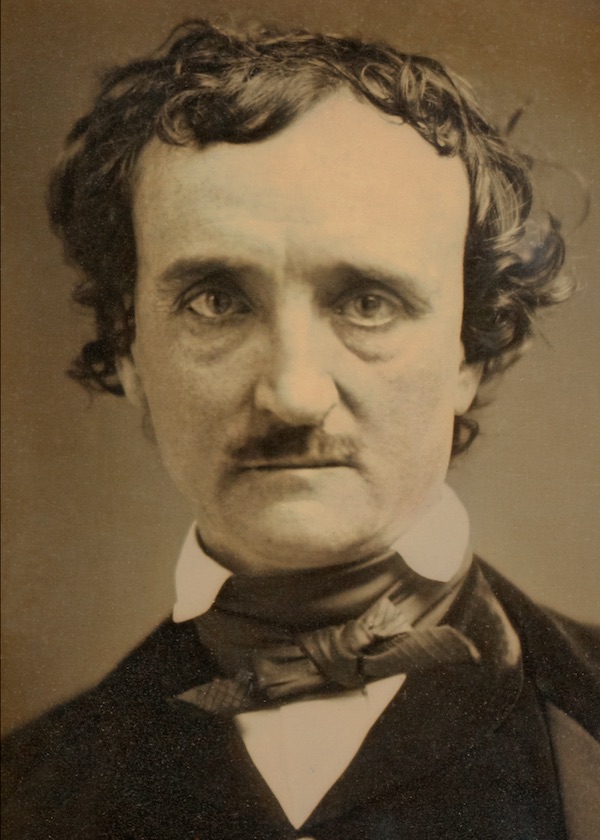
Edgar Allan Poe (1809 - 1849)
The original master of macabre, Poe not only wrote great gothic horror stories, he also kicked off the detective genre with stories like The Purloined Letter, The Murders in the Rue Morgue, and The Mystery of Marie Roget. He is well-known for suspenseful tales like The Pit and the Pendulum and The Tell-Tale Heart and his tales of immurement; including The Cask of Amontillado, and The Black Cat. He is also famous for his poems The Raven and A Dream Within a Dream.
-
The King in Yellow (1895)
A collection of ten "weird" supernatural short stories. They are supremely written and have had a deep impact on literature and other arts. Fans of HBO's series True Detective (first season) will recognize "Carcosa" and "the Yellow King" -- both references to this work. The King in Yellow, mentioned in the first four stories, refers to a forbidden play so terrible that it causes madness and insanity in those who view it.
-
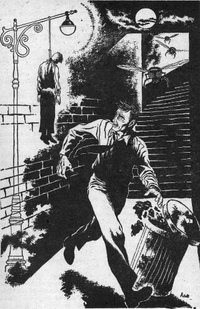
The Hanging Stranger (1953)
Philip K. Dick blurs science fiction and psychological horror in this deeply unsettling tale. When Ed Loyce discovers a corpse hanging from a lamppost, he's horrified—but more disturbed when he realizes no one else seems to notice or care. What begins as a mystery spirals into paranoid dread as the familiar world reveals sinister cracks. This is slow-burn horror at its finest: quiet, creeping, and profoundly disturbing. Dick's exploration of isolation and reality will leave you questioning what's real.
-
Arthur Machen (1863 - 1947)
Departing from the family tradition of serving as clergymen, Machen set aside the robes and cloisters to write supernatural, fantasy and horror fiction. His most famous work, The Great God Pan (1890, revised 1894) is considered a masterpiece of Gothic fiction, highly praised by the modern master of horror, Stephen King. The Inmost Light is about an occult scientist.
-
William Wilson (1836)
A superlative story that is otherwise overshadowed by the more famous works. Poe himself felt this was amongst his finest effort. This disturbing tale is all about the doppelgänger, "in fiction and folklore, a doppelgänger is a look-alike or double of a living person, sometimes portrayed as a paranormal phenomenon, and is usually seen as a harbinger of bad luck."
-
The Fall of the House of Usher (1839)
Perhaps Poe's most famous gothic tale. A man visits his childhood friend Roderick Usher in his decaying family mansion, where the boundaries between the living and the dead, sanity and madness, begin to dissolve. The oppressive atmosphere and the house itself become characters in this masterpiece of psychological horror.
-
The Masque of the Red Death (1842)
Prince Prospero attempts to avoid a deadly plague by hiding in his abbey with a thousand nobles, hosting a lavish masked ball. But death finds a way to infiltrate even the most fortified sanctuary. An allegorical tale of mortality and the futility of trying to escape death.
-
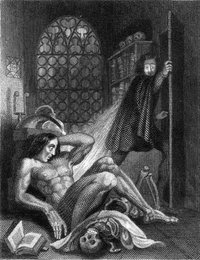
Mary Shelley (1797 - 1851)
Everyone has heard of Frankenstein, but few are aware that it was not only written by a woman, but written by a woman whose mother, Mary Wollstonecraft, is considered "the first feminist."
-
Bram Stoker (1847 - 1912)
As an ill and bedridden child to the age of seven, Abraham or "Bram" Stoker had plenty of time to exercise his imagination. That fertile imagination was to put to good use later in life when he wrote Dracula.
-
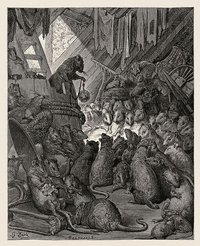
The Judge's House (1891)
A student seeking solitude to prepare for his exams rents an isolated house with a dark history. As he studies through the night, he discovers the house's former occupant—a hanging judge—still lingers in terrifying ways. A classic Victorian ghost story from the author of Dracula.
-
H. P. Lovecraft (1890 - 1937)
After a difficult childhood that included the institutionalization of his father in a mental hospital, overwhelming feelings of anxiety, and his withdrawal from school due to social problems with his classmates, Lovecraft faced a still odd but better adolescence. Recommended stories include: The Picture in the House, The Cats of Ulthar, The Call of Cthulhu, Ex Oblivione, and his novellas At the Mountains of Madness and The Shadow Out of Time.
-
The Diary of a Madman (1887)
A bone-chilling horror story about an undiscovered madman, loosely adapted into a horror film starring Vincent Price.
-
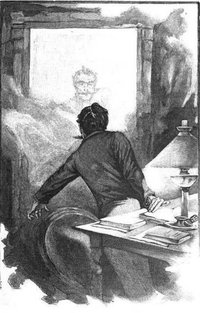
The Horla (1887)
A man's diary entries document his descent into madness as he becomes convinced an invisible being is controlling him. Maupassant's masterpiece of psychological horror explores paranoia, loss of identity, and the terror of the unseen. One of the most highly-rated gothic tales.
-
The Death of Halpin Frayser (1891)
A man wakes in a dark forest with fragmented memories, haunted by a ghostly woman who may be connected to his past. Bierce weaves dreams, murder, and supernatural horror into one of his most disturbing and highly-acclaimed tales.
-
The Yellow Wallpaper (1892)
A woman's descent into madness, told through her obsession with the patterns in the wallpaper of her room. A powerful critique of the medical treatment of women in the 19th century and a masterpiece of psychological gothic horror.
-
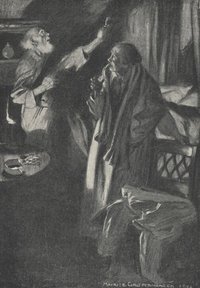
The Monkey's Paw (1902)
A cursed talisman grants three wishes to its owner, but at a terrible cost. This classic horror story explores themes of fate, greed, and the consequences of tampering with destiny. One of the most famous supernatural tales ever written.
-
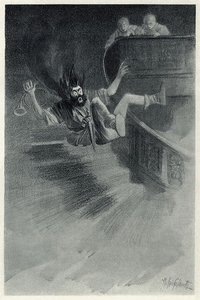
The Canterville Ghost (1887)
An atypical and humorous ghost story, where Oscar Wilde hands out a beating to late 19th century American manners and sensibilities. The Canterville Ghost has happily spent hundreds of years haunting the estate... then came the Americans.
-
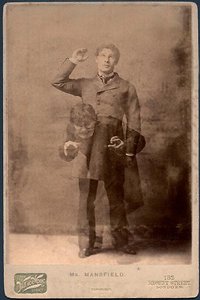
Strange Case of Dr. Jekyll and Mr. Hyde (1886)
Considered a pillar in the gothic literature genre, Stevenson exhibited a bit of Jekyll and Hyde himself; writing both children's poems and gothic horror.
-
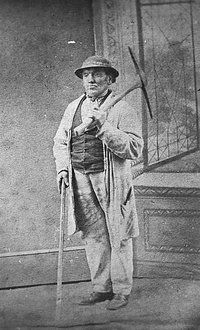
The Body Snatcher (1884)
A macabre tale of grave robbers supplying bodies to medical schools in 19th century Edinburgh, based on the true crimes of Burke and Hare. Stevenson explores the moral corruption that lurks beneath respectable society.
-
The Prophetic Pictures (1837)
One of Hawthorne's few gothic works, little did these newlyweds know of their portrait painter's power over their fates...
-
Young Goodman Brown (1835)
A dark Puritan tale where young Goodman Brown ventures into the forest one night and witnesses a witches' sabbath that shakes his faith to its core. Hawthorne's allegorical masterpiece explores the nature of evil and the loss of innocence.
-
An Occurrence at Owl Creek Bridge (1890)
A Confederate sympathizer faces execution by hanging from a railroad bridge. In his final moments, reality and fantasy merge in this psychological horror story with one of literature's most famous twist endings.
-
The Boarded Window (1891)
A frontiersman keeps vigil over his dead wife's body in their isolated cabin. But in the wilderness, death doesn't always mean the end. A chilling tale of horror and grief from the master of macabre twists.
-
The Damned Thing (1893)
An inquest investigates the mysterious death of a man killed by something no one can see. Drawing on contemporary theories about invisible light, Bierce creates a tale of cosmic horror about an invisible predator stalking the wilderness.
-
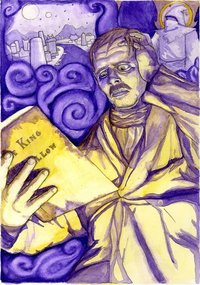
The Repairer of Reputations (1895)
The first story in Robert Chambers' short story collection The King in Yellow. You simply cannot call yourself a fan of the horror/gothic/weird fiction genre until you have read this book.
-
M.R. (Montague Rhodes) James (1862 - 1936)
The English author M.R. James published a series of Ghost Story Collections starting in 1904. Many stories were originally written to be told to his friends around the fireside on Christmas Eve. Good starting points include Lost Hearts and Count Magnus.
-
Elizabeth Gaskell (1810 - 1865)
Gaskell's popular gothic ghost stories include The Old Nurse's Story (supernatural thriller), Mary Barton (murder mystery), The Grey Woman (female Blackbeard murderer), and Lois the Witch (Salem witch trials).
-
The Turn of the Screw (1898)
Henry James' psychological thriller is a classic in both gothic and ghost story literary genres, and a modern-day favorite for study in academic circles.
-
Algernon Blackwood (1869 - 1951)
Blackwood often sought to instill a sense of awe and wonder rather than fear. Readers should begin with The Willows, a tale about two men on a canoe trip that become stranded and beset by supernatural forces. The second is The Wendigo, about a group of men in a northern wilderness visited by a terrible monster from Algonquian folklore.
-
The Family of the Vourdalak (1884)
Before venturing into the woods to hunt down a Turkish outlaw, a Serbian father instructs his two sons to kill him with a wooden stake if he returns home after ten days sharp. Add a French diplomat attracted to a beautiful daughter and you have the makings of a great vampire story.
-

The Phantom Coach (1864)
A classic Victorian Ghost Story. A newlywed gentleman becomes lost on the moors during a hunting trip. A snow storm blows in and he takes shelter with a reclusive scientist with a penchant for the supernatural. The intrigue begins when the scientist tells the young man that there is one last stage coach that can bring him home.
-
The Signal-Man (1866)
A railway signal-man is haunted by a spectral figure that appears before disasters. Dickens crafts a masterful Victorian ghost story that explores fate, premonition, and the inexorable march toward tragedy.
-
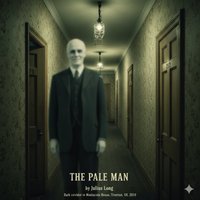
The Pale Man (1912)
A classic short horror story told in the form of a journal, written by a man staying at a small, isolated hotel in the countryside to recover from illness. The tone is quietly unsettling and deeply psychological, with eerie, macabre tension that builds subtly. An Editor's Pick!
-
Thurnley Abbey (1908)
Widely regarded by ghost story buffs as one of the most terrifying stories published in English, it's a vivid depiction of dread and waking nightmares. Sleep with the light on after reading this one!
-
The Stolen Body (1898)
Wells offers a believable supernatural thriller-- who knew our pineal "third" eye offered the potential for out-of-body experiences?
-
The Sand-man (1816)
The benevolent folk lore figure is transformed into a wicked thief who throws sand into children's eyes until they pop out. Read to find out what's next, if you dare.
-
The Castle of Otranto (1764)
It all started with a nightmare. Horace Walpole woke from a dream of a gigantic armored hand and penned what is credited as the first published work of Gothic literature. Enlightenment intellectuals dismissed it as "fake" history tainted by superstition, but Walpole had tapped into something primal—a hunger for mystery and terror that rationalism couldn't satisfy. Contemporary Cambridge reviews noted the book made "some of them cry a little, and all in general afraid to go to bed o' nights." This 1764 novel of haunted castles, ancient prophecies, and supernatural doom launched the Gothic movement and paved the way for every dark tale that followed. We offer the authoritative 1901 edition edited by Henry Morley.